Moving Beyond the Viral Moment in Africa’s Creative Economy
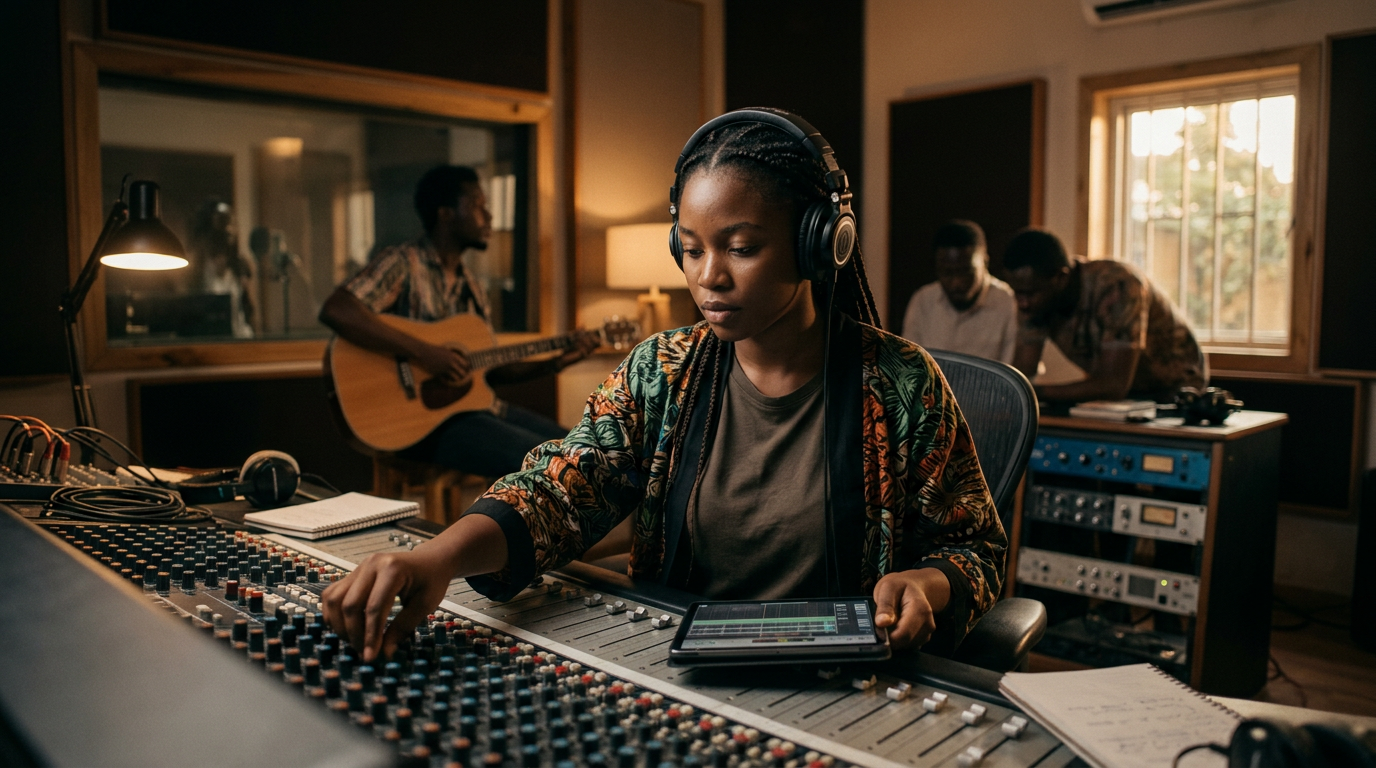
African creators are capturing global attention, but visibility alone doesn't build wealth. We need to focus on ownership and the business infrastructure that turns talent into sustainable enterprises.
Whenever I discuss the future of work in Africa, the conversation almost always starts with software engineering or fintech. These are vital sectors, but we often overlook a growth engine that is arguably just as vibrant: the creative economy. Whether it is fashion in Lagos, music in Johannesburg or digital animation in Nairobi, our creators are setting global trends. The problem is that while our cultural influence is at an all time high, the economic returns are not yet keeping pace.
The Visibility Trap
It has never been easier for an African artist to go viral. Our sounds are on every global playlist and our stories are finally landing on major streaming platforms. However, we have to be careful about the visibility trap. I have seen creators with millions of followers who still struggle to get a simple bank loan or maintain a steady income. Visibility is not the same as value.
Too much of the wealth generated by African talent is currently captured by external platforms or intermediaries. If we want to change this, we have to look past the excitement of the next viral dance or video and focus on the serious business of creativity. It is time to stop being just content providers and start being owners of brands and intellectual property.
Professionalizing the Business
Talent gets you through the door, but a professional ecosystem keeps you in the room. Many of our best creators still operate entirely within the informal economy. They often navigate high-stakes careers without formal contracts, legal protection or proper financial management. Without these safeguards, it is easy to sign away long-term rights for a quick payout that barely covers current expenses.
We need more specialized management firms and legal experts who actually understand the African creative landscape. When a filmmaker or a designer has access to professional advice, their perspective shifts. They stop looking for the next gig and start acting like a CEO building a legacy. This shift is what transforms a solo hustle into a company that can actually hire people and scale.
Infrastructure That Works for Us
One of the most practical hurdles we face is the lack of localized monetization tools. Many global platforms have payment barriers that make it difficult for African creators to get paid directly. Even when they do get paid, ad-share models usually favor creators in markets where advertising spend is much higher than it is here.
The solution lies in fintech tailored for the creative sector. We need more platforms that support direct fan engagement through mobile money, subscription models that fit local spending habits and simple micro-licensing systems. When we reduce the friction between the creator and the local consumer, we ensure that more of the money stays within our own ecosystem.
The Power of Ownership
Ownership is the only path to long-term wealth. In our digital world, intellectual property is the most valuable asset a person can hold. Our creators need to be empowered to protect their copyrights without jumping through impossible hoops. Governments can help by making copyright registration simple and enforceable. When a creator knows their work is legally protected, they have the confidence to invest in better production and more ambitious projects.
A Strategic Perspective
I don't view the creative economy as a niche interest or a hobby. It is a strategic sector for inclusive growth. Unlike heavy manufacturing, which requires massive capital, the creative industry is built on human ingenuity, which is our most abundant resource. By building the right business infrastructure around our talent, we can ensure the next generation of African creators are not just famous but also financially secure. Our goal should be to move from simply making content to building the institutions that will anchor our digital economy for years to come.
New here? Start with the Future Economy Framework — the thinking behind these insights.
For Publishers & Media
Interested in republishing this article?
Download a publisher-ready version below or submit a republication request. Please retain author attribution and include a link back to the original article.
© 2026 John Wambugu. Technology, Innovation & Future Economy Leader. Building Africa's Future Economy.