Moving Beyond Tech Skills: Why Livelihoods Are the Real Metric of Success
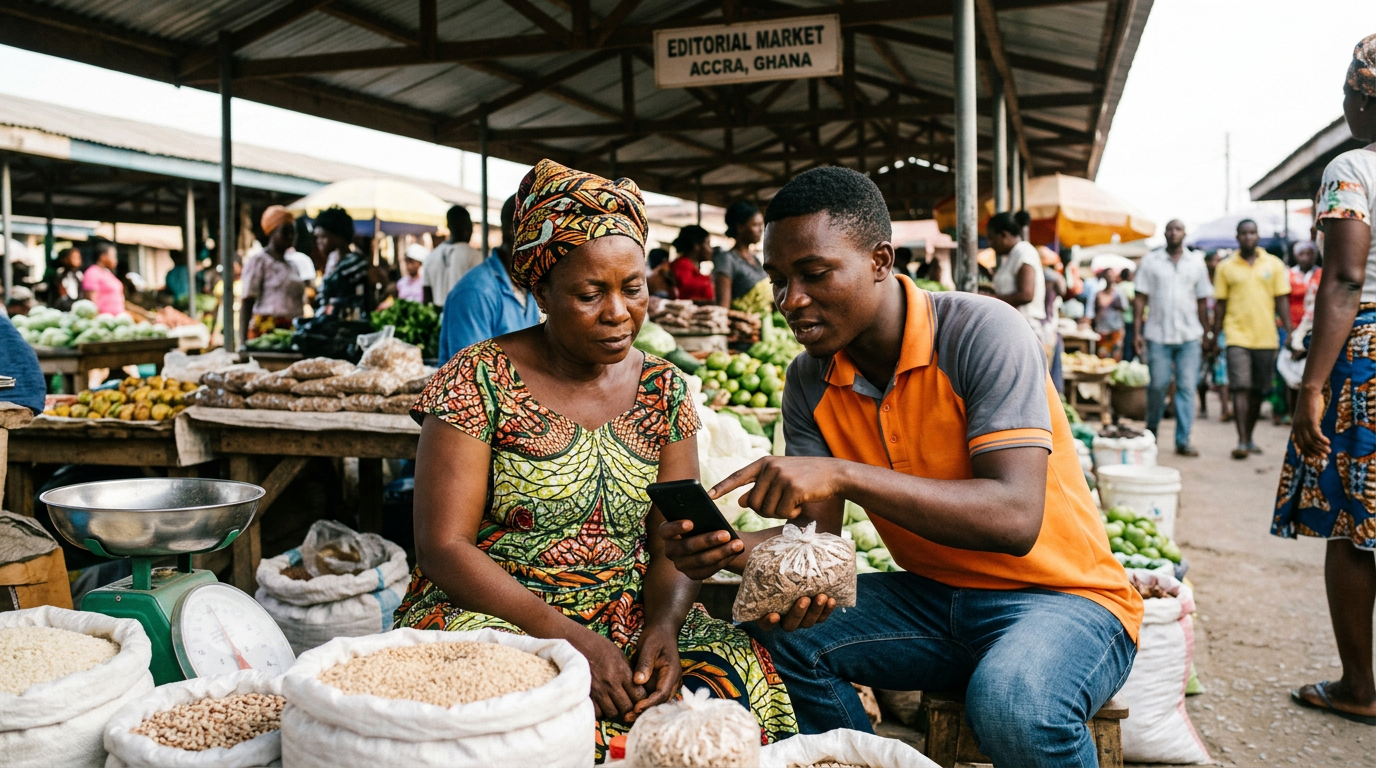
Digital tools in Africa shouldn't be the goal themselves. Success happens when technology makes life easier for a kiosk owner or helps a farmer get a better price at harvest.
We often measure digital progress by counting laptops distributed or people trained in coding bootcamps. To me, this is a narrow view. Access to hardware and software is merely the entry fee. The real work begins when we evaluate whether that technology helps someone put more food on the table.
The Heart of the Economy
The heartbeat of the African economy is not found in glass office towers. It lives in open-air markets, neighborhood kiosks and small farms. The informal sector accounts for over 80% of our workforce. These entrepreneurs are resilient and resourceful, yet they are often the last ones considered when digital strategies are drafted.
Inclusive growth requires tools that fit the existing life of a carpenter or fruit vendor. We cannot expect them to overhaul their entire way of working to suit a complex app. Innovation must meet people where they are.
Solving for Utility
The barrier is rarely a lack of interest. Informal traders are the first to adopt any tool that saves them five minutes or five shillings. Mobile money scaled because it solved a dangerous and slow problem: moving physical cash. It offered immediate utility.
We must apply this logic to every new tool. A farmer does not need a lecture on data analytics. They need a simple notification on a basic phone showing when to plant or where to sell maize at the highest price. The focus must be on getting produce from field to market with less waste. A kiosk owner needs a digital ledger to track credit rather than a presentation on the cloud. Success here comes from simplifying how a small shopkeeper restocks inventory and manages cash flow.
Technology has done its job when a kiosk owner serves more customers because of a simple digital tool.
Counting What Matters
We need to change our metrics. Instead of tracking digital training hours, let's track how many small businesses grew their revenue by joining a digital marketplace. We should measure the extra kilograms of produce reaching the market rather than rotting on the farm because of poor logistics. In Nigeria, for instance, platforms like TradeDepot show how digitizing the supply chain can lead to tangible retail growth.
This requires developers and policymakers to spend more time on the ground. We must prioritize simplicity and reliability over feature-heavy platforms that require expensive smartphones or high-end connectivity. Innovation thrives when it respects local reality and bridges the gap between the informal and formal sectors.
The Path Forward
Africa's opportunity is not in replacing the informal economy but in connecting this massive engine to digital efficiencies. This is about empowerment rather than bureaucracy. When a simple tool allows a weaver in a rural village to reach a buyer in a distant city, we have achieved true transformation.
We are building more than tech. We are building the means for millions to improve their lives, one transaction and one harvest at a time. The technology is the bridge, but the livelihood is the destination.
New here? Start with the Future Economy Framework — the thinking behind these insights.
For Publishers & Media
Interested in republishing this article?
Download a publisher-ready version below or submit a republication request. Please retain author attribution and include a link back to the original article.
© 2026 John Wambugu. Technology, Innovation & Future Economy Leader. Building Africa's Future Economy.