Technology Is Only Successful When It Improves Livelihoods
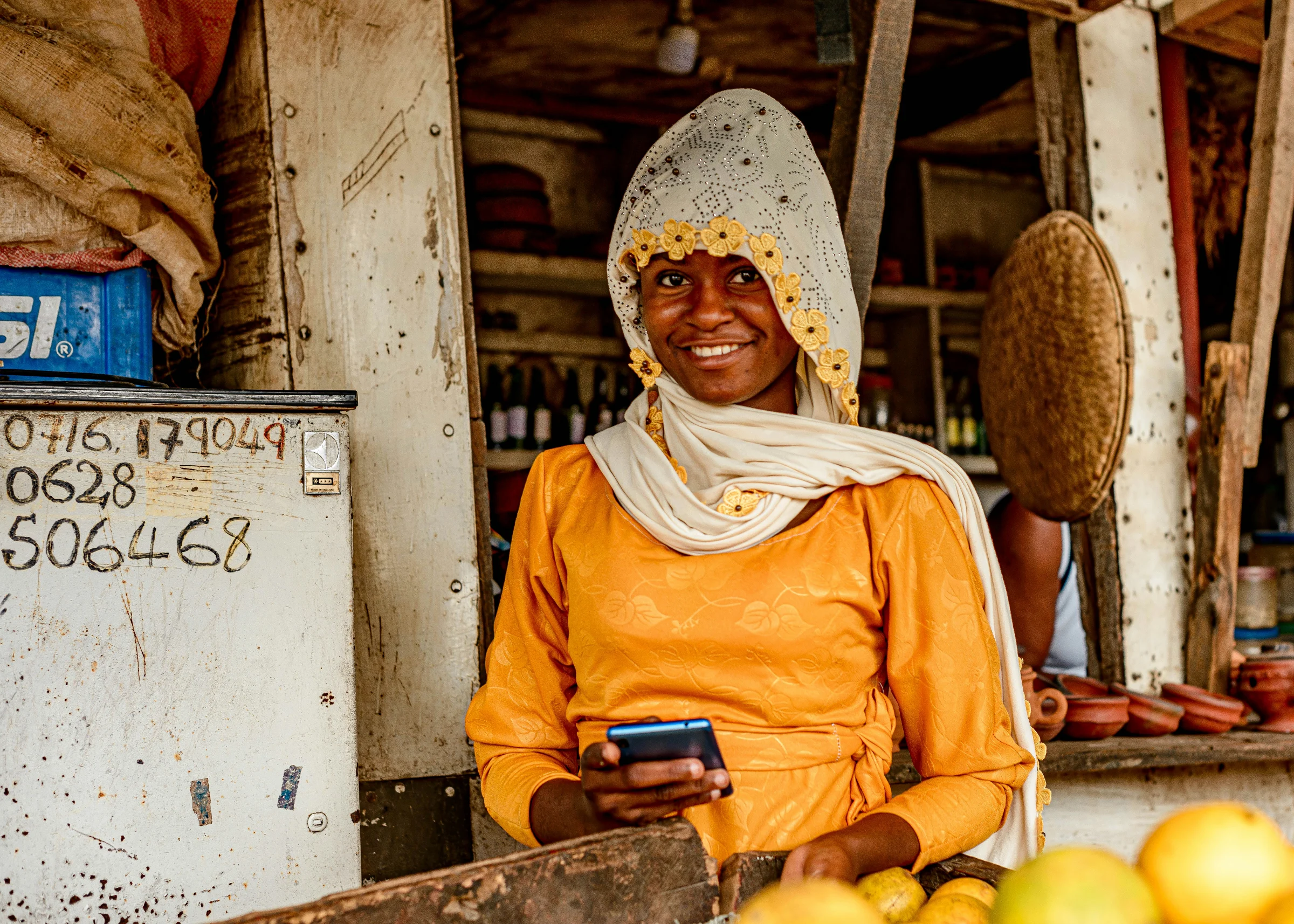
Innovation is meaningless if it does not translate into better lives. We must shift our focus from chasing technical trends to ensuring technology solves the immediate economic needs of millions.
We often talk about the digital economy in terms of big numbers. We track the billions of dollars in venture capital flowing into the continent, the thousands of kilometers of fiber optic cables being laid and the percentage of the population with a smartphone. While these statistics provide a useful pulse check for the industry, they are not the heartbeat of our society. The true measure of any technological advancement in Africa is much simpler: does it help a person earn a better living?
Technology should never be an end in itself. In our context, innovation is a tool for survival and growth. When we lose sight of this, we risk building a digital layer that sits on top of our economy without actually integrating with it. True success happens when technology stops being a headline and starts being a utility that improves the daily reality of a tailor, a farmer or a small-scale trader.
The Utility of Technology in the Informal Market
The informal economy is the primary engine of employment across Africa. For millions of people, work is not found in corporate offices but in decentralized, neighborhood-level trade. When we design technology with these individuals in mind, the impact is immediate and profound. A digital tool is successful not because it uses the latest algorithm, but because it reduces the cost of doing business or opens up a new market that was previously out of reach.
Consider the impact of mobile platforms on the logistics sector. In many cities, the challenge for a small producer was once the high cost and unreliability of moving goods. Digital marketplaces that connect independent drivers with small businesses have turned a massive hurdle into a manageable cost. This is not just an innovation in software; it is a direct contribution to a person's livelihood. It allows the producer to sell more and the driver to earn more consistently. This is where the digital and physical economies meet to create real value because it directly improves livelihoods.
Shifting from Consumption to Productivity
There is a recurring danger that we become a continent of digital consumers rather than digital producers. If we only use technology to access global entertainment or social media, we are missing the transformative potential of these tools. The focus of our innovation ecosystem must remain firmly on productivity. We need tools that help people build, manage and scale their own enterprises.
Livelihoods are improved when technology simplifies the complexities of business management. For a small shop owner, an app that tracks inventory and records sales is more valuable than any viral trend. It provides the data needed to secure a micro-loan or to understand which products are actually profitable. By turning a chaotic paper-based system into an organized digital record, we provide the entrepreneur with the clarity needed to grow. Growing a business means more than just higher profits; it means the ability to hire a neighbor, pay school fees and invest back into the community.
Redefining Digital Inclusion
Inclusion is often discussed as a matter of access. We want everyone to be online. However, access without utility is a hollow victory. Giving someone a fast internet connection is only the first step. The more important question is what they can do with that connection to improve their economic standing. True digital inclusion means ensuring that the benefits of the digital economy are distributed beyond a few tech hubs and into the rural and peri-urban areas where the majority of our people live and work.
This requires a collaborative effort. Governments must provide the infrastructure and regulatory environment that keeps costs low. Businesses must design products that are intuitive and localized. We must also recognize that the informal sector has its own logic and strengths. Our goal should not be to force these businesses into a rigid corporate mold, but to provide them with the digital tools that respect their way of working while giving them the power to thrive in a modern market.
A Forward Looking Perspective
As we look toward the future, let us be disciplined about how we define progress. A new fintech app is only a success if it makes credit more affordable for those who were previously excluded. A new agricultural platform is only a success if it puts more money in the pocket of the farmer at the end of the harvest. We should celebrate innovation, but we must reserve our highest praise for the tools that create tangible, sustainable livelihoods.
The potential of the African people is our greatest asset. Technology is simply the lever we use to lift that potential. If we stay focused on the human impact of our work, we will build a digital economy that is not only advanced but deeply inclusive and resilient. The goal is clear: a continent where every digital connection is a path to a better life.
New here? Start with the Future Economy Framework — the thinking behind these insights.
For Publishers & Media
Interested in republishing this article?
Download a publisher-ready version below or submit a republication request. Please retain author attribution and include a link back to the original article.
© 2026 John Wambugu. Technology, Innovation & Future Economy Leader. Building Africa's Future Economy.