Deciding Our Own Digital Future: How Africa Can Lead in a World of Many AI Powers
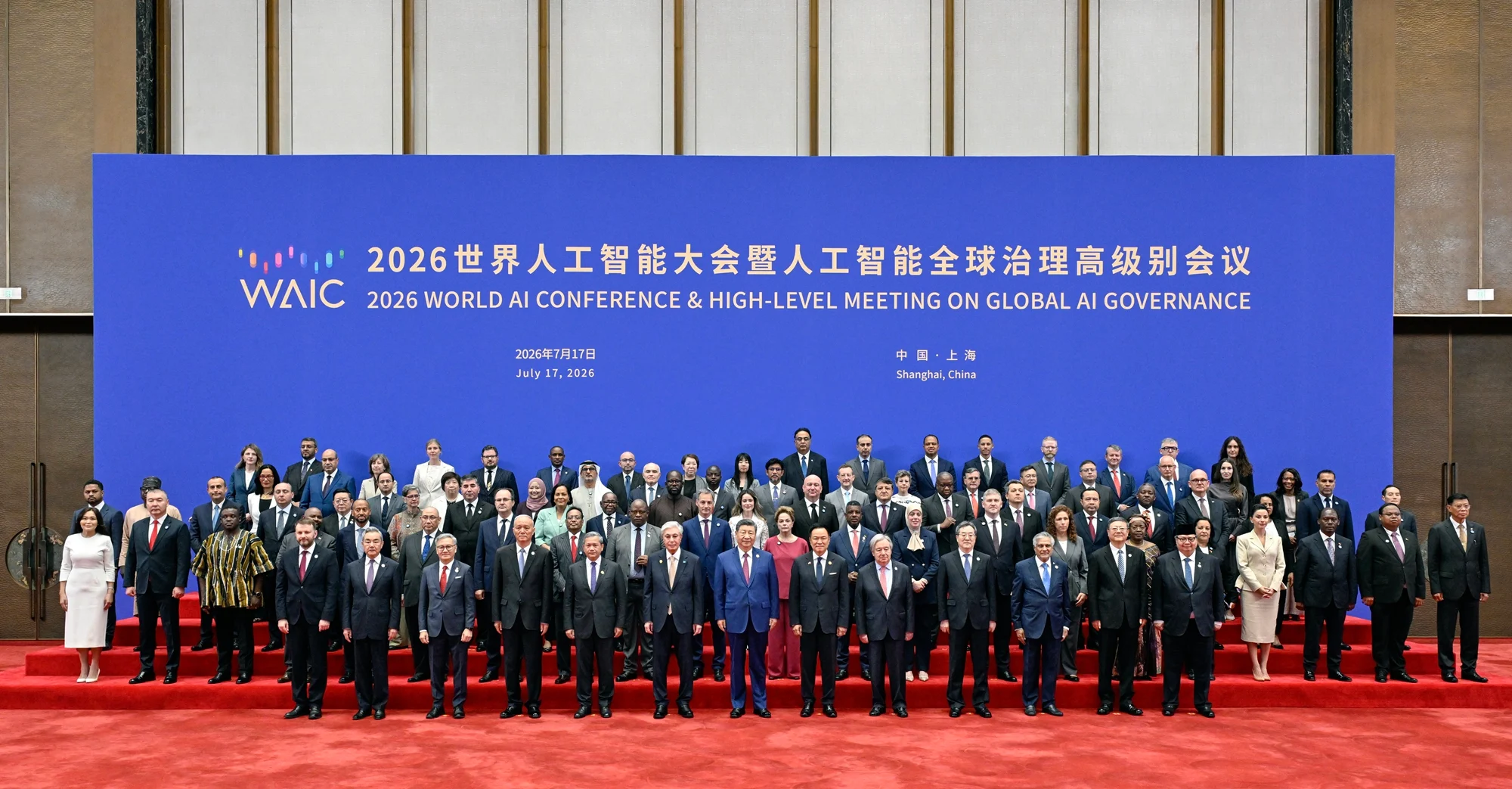
With the launch of the World AI Industry Alliance led by China, Africa has more choices for digital growth. We must use these partnerships to solve local problems on our own terms.
The global race to set the rules for artificial intelligence is changing. Recently, China launched the World AI Industry Alliance during the World Intelligence Expo. This major event was hosted by President Xi Jinping, who emphasized the intention to build a more inclusive and cooperative global framework for artificial intelligence. By moving beyond a world where only a few Western countries made all the decisions, we are seeing a shift that offers more choices for those of us working to grow Africa's digital economy.
A Choice of Many Paths
For a long time, the rules for AI were written by a small group of countries and big companies. While they talked about safety and rights, they often missed the daily reality of emerging markets. Many African leaders felt the rules were already set before they even joined the conversation. This new alliance, championed by President Xi, shows that we are moving toward a world with many different centers of power.
This is important because these rules decide how data is kept and how systems work. If Africa is going to build its own AI tools, we need rules that are flexible and easy to afford. Having more options gives our leaders better bargaining power. We can now pick the best ideas from different places to help us solve real problems, like helping farmers grow more food or making it easier for people to get loans.
The real win for Africa is not picking a side in a global tech fight. The win is picking the rules that help a local developer solve a local problem.
Building More Than Just Roads and Cables
In the past, many tech partnerships in Africa focused on building physical things like fiber cables and data centers. By starting this AI alliance, there is a clear move to focus on the software and intelligence that runs across those cables. This is a chance for African nations to go beyond just using tech from other countries and instead contribute to the global standard.
We should negotiate for more than just finished products. We need the skills to build our own models using our own data. This means creating AI that understands local languages and our specific weather patterns. If these new partnerships help us share knowledge and teach our people, they will speed up how quickly we can innovate at home.
Keeping Control of Our Data
While having more partners is good, we must stay alert. Every group has its own ideas about privacy and how much the government should be involved. As we join these new groups, our main goal must be to keep control of our digital future. We need to make sure that African data is not just taken to feed foreign systems without bringing any real value back to our people.
We can build a strategy that takes the best from everyone. We can use the governance ideas of the West and the fast infrastructure of the East. The goal is to be practical. We should be at every meeting, but we must always remember our own priorities.
Setting Our Own Direction
The launch of the World AI Industry Alliance is a reminder that the future of tech is still being decided. Competition between global powers can be good for Africa if we are organized. It gives us more ways to get investment and support. However, we must lead with what our people need. We need AI that creates jobs, helps doctors save lives and makes it easier for a small shop owner to run their business. If we stay focused on these human goals, we can handle any change in global alliances with confidence.
New here? Start with the Future Economy Framework — the thinking behind these insights.
For Publishers & Media
Interested in republishing this article?
Download a publisher-ready version below or submit a republication request. Please retain author attribution and include a link back to the original article.
© 2026 John Wambugu. Technology, Innovation & Future Economy Leader. Building Africa's Future Economy.