A Seat at the Table Is Only the Beginning: What Africa Must Do to Lead the AI Era
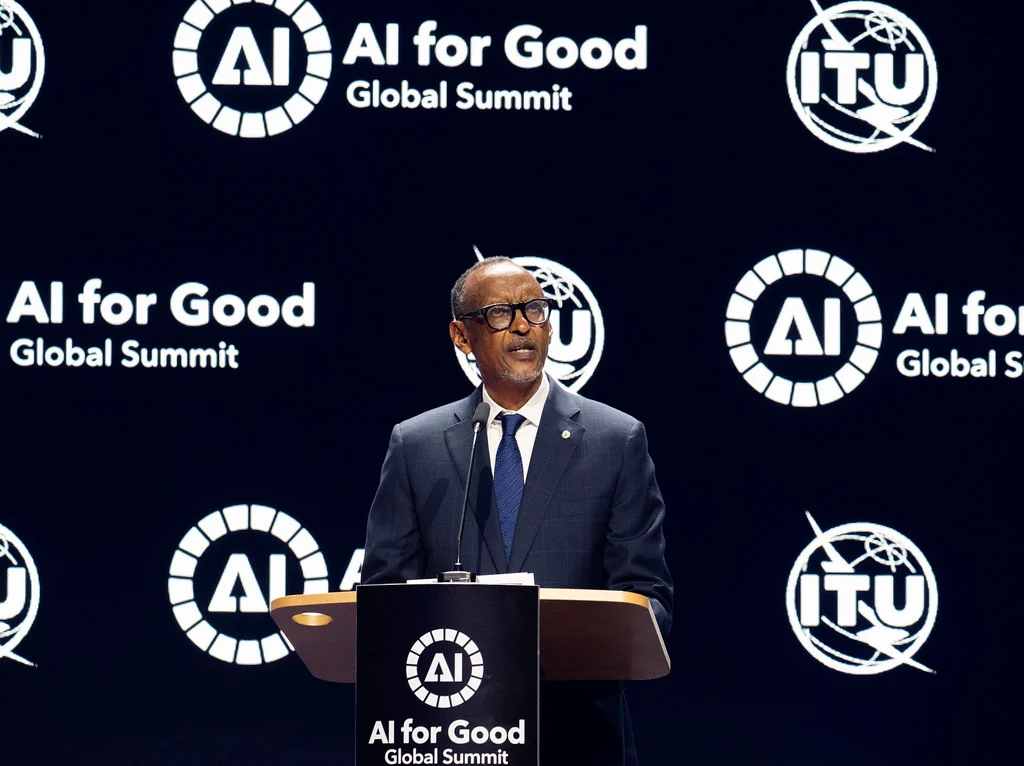
President Paul Kagame's appointment as Co-Chair of the AI for Good Global Commission is a milestone, but Africa must move from advisory status to becoming a primary architect of AI solutions.
President Paul Kagame's appointment as Co-Chair of the AI for Good Global Commission and Africa's presence in global AI talks mark an important milestone. But the bigger question is not how many seats Africa has at the table. It is what we do with them. While this shift in the global story is welcome, we must not mistake a seat at the table for a share of the industry. Representation is just the start. The real victory comes when Africa moves beyond advising on global rules and starts building the physical foundation of the AI economy.
Moving from Advisory to Architecture
For a long time, our role in global technology has focused on policy and regulation. While these are necessary for safety and ethics, they do not create wealth or jobs by themselves. If we only stay in an advisory role, we risk becoming the world's most well-regulated consumers of foreign technology. To change this, we must focus on becoming architects. This means building data centers, designing local language models and developing hardware that reflects our life. We need AI that understands a dialect in a rural market or the specific weather patterns affecting a farmer in the Rift Valley.
True independence in the digital age comes from the ability to solve your own problems using your own tools. When we rely entirely on external platforms, we export our data and import our solutions, often at a high cost. By growing our local infrastructure, we ensure that the value generated by African data stays within African borders. This is not about being isolated. It is about entering the global market as equals who bring unique value to the world.
The Talent Priority
Infrastructure is the skeleton of the AI economy, but people are its lifeblood. We often hear about AI taking away jobs, but for Africa, the bigger threat is not having enough people who can build and manage these systems. We need to move beyond basic computer skills and focus on high-level technical mastery. This requires a major shift in our schools and colleges. Our universities must change their lessons to match the demands of the modern world, focusing on problem solving rather than just memorizing facts.
We should not see AI as something only for elite software engineers. Its real potential shows up when it helps the informal economy become more productive. Imagine an AI tool that helps a mechanic find a complex engine fault or an app that helps a trader manage their stock in real time. When we give our workers these tools, we are not just creating tech jobs. We are making every job better and more productive. This type of inclusive growth is what will last.
Practical AI for the Real World
Global talks about AI often feel like science fiction. In Africa, AI must be practical and focus on the immediate needs of our people. We should be asking how these tools can lower the cost of healthcare, make loans easier to get for small businesses or improve schools in remote areas. This is the AI for Good that actually matters. It is about being useful and making a clear impact.
Governments and businesses must work together to create a space where local startups can grow. This needs more than just investment money. It requires a commitment to using local solutions in government and big business. If we want African AI to succeed, we must be its first and most loyal customers. By creating a strong home market, we give our innovators the foundation they need to eventually compete with the rest of the world.
The Way Forward
Having African voices on global commissions ensures our challenges are not ignored. However, the future belongs to those who build. We must use this influence to push for the investments and partnerships that grow our own capabilities. Our goal should be a continent where we do not just talk about the future of AI but where we are actively creating it. The opportunity is ours to take if we have the courage to build as much as we lead.
New here? Start with the Future Economy Framework — the thinking behind these insights.
For Publishers & Media
Interested in republishing this article?
Download a publisher-ready version below or submit a republication request. Please retain author attribution and include a link back to the original article.
© 2026 John Wambugu. Technology, Innovation & Future Economy Leader. Building Africa's Future Economy.